See differently
Expert 4 extracts one pooled representation and teacher margin from the image.
One frozen upstream teacher and three project-trained residual heads turn an image into one inspectable review signal.
See the signal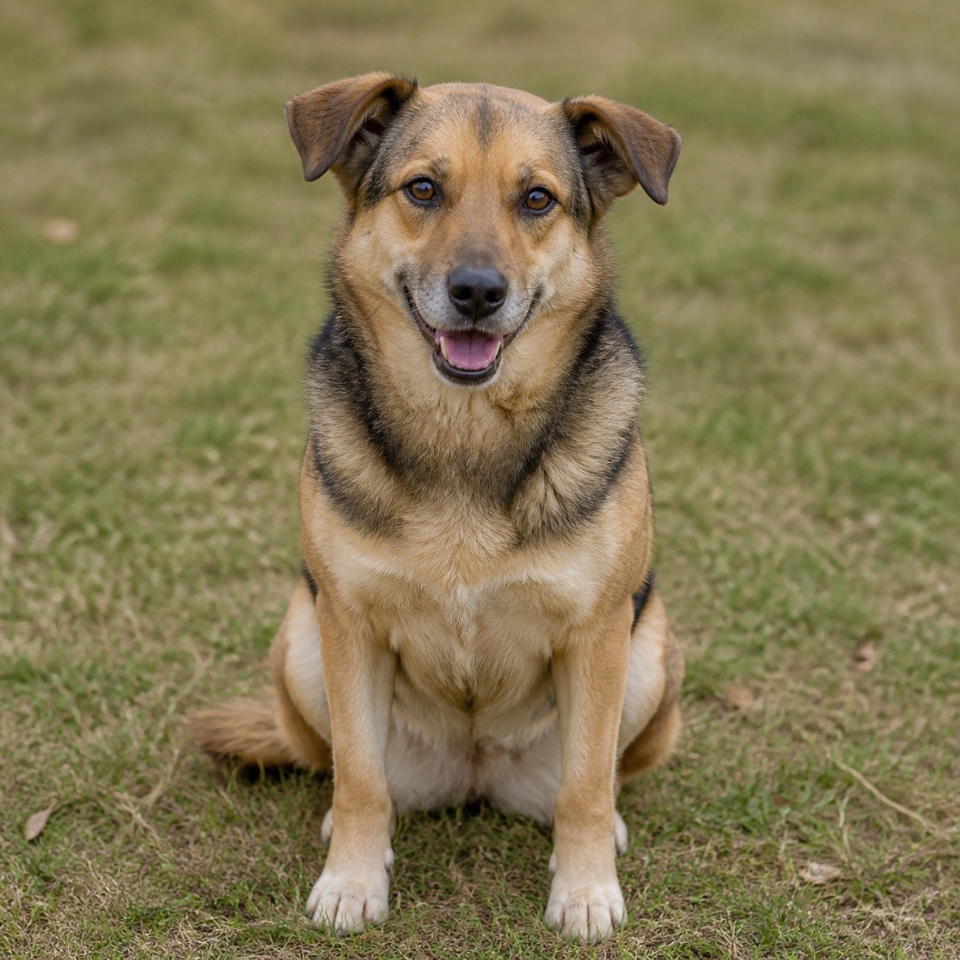
Fake probability
0.78
01
frozen Expert 4
03
residual heads
02
native-size routes
0–1
review signal
AI images rarely arrive lab-clean.
Screenshots, compression, resizing, noise, and everyday edits can blur the visual traces that detectors learn to recognize.
SynthFlag answers with a fixed native-size route over one upstream representation and a consistent score interface.
Expert 4 extracts one pooled representation and teacher margin from the image.
A native-size route selects the specialist or fixed two-head margin stack.
The score supports investigation; it does not prove an image’s origin.
A frozen Tu et al. Expert 4 supplies a 1,152-dimensional feature and teacher margin. Three compact residual heads correct that margin through a deterministic native-size route before sigmoid produces a signal in the range 0–1.
Expert 4
Frozen SigLIP teacher
Low-res
CIFAKE specialist
Epoch 05
Large-image residual
Epoch 08
Large-image residual
Routed detector interface
One representation enters. One review signal leaves.
Output range
0–1
SynthFlag returns a continuous fake-image probability. How that score becomes a decision depends on the use case, operating point, and consequences of being wrong.
0.78
Example only.
Not a benchmark result.
Value
0.78
Type
Probability
Source
3 residual heads
TEST1 · public development benchmark
One deterministic composite corruption per public source produced 30,000 paired predictions for the selected Expert 4 plus three-head runtime shown above.
CIFAKE
Clean → augmented ROC-AUC
SID-Set
Clean → augmented ROC-AUC
WildFake
Clean → augmented ROC-AUC
For TikTok-like creator operations, constrain false positives first: a wrong flag can question authentic work, interrupt distribution or monetization, and create an appeal. TEST1 reports TPR at 1% and 5% FPR. Its fixed 0.5 point is diagnostic, not a universal moderation cutoff.
Inspect TEST1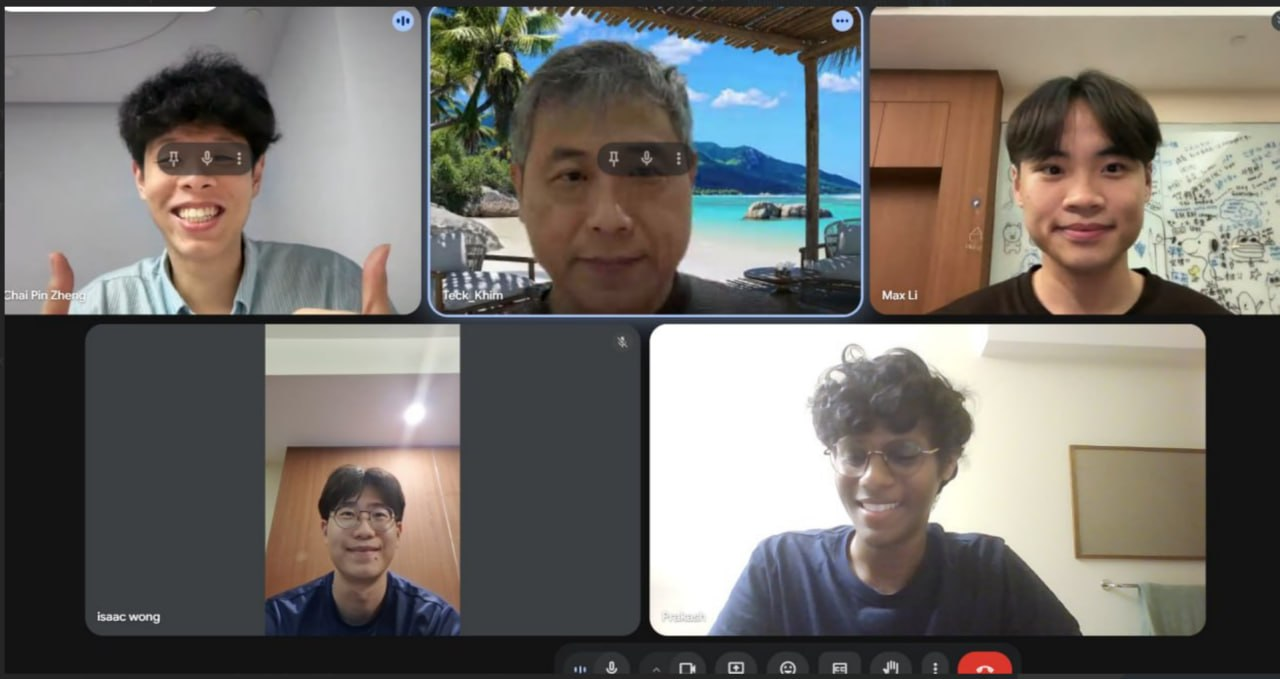
Day 3 · research interview
Professor Ng Teck Khim introduced us to camera-forensics signals created by Bayer sampling and demosaicing. We briefly explored local variance and cross-channel statistics, but the interview happened on Day 3 and the early prototype was not strong or stable enough for final use. It did not enter the released model, TEST1, or final claims.
Interview evidence and future direction—not detector performance or researcher endorsement.
Designed for the wild
The inference workflow recursively reads common image formats, applies deterministic preprocessing, and writes resumable predictions to a portable CSV with run metadata.
SynthFlag is a research detector. Its scores should support a broader review process—never stand alone as conclusive proof about an image’s origin. For creator operations, false positives are constrained first because authentic work, reach, monetization, and appeals can be affected by an incorrect flag.
01
Retain the original image and metadata.
02
Calibrate a low-FPR threshold for the actual use case.
03
Escalate consequential decisions to human review.
Turn the detector signal into a reviewable result—then pair it with provenance, context, and human judgment.